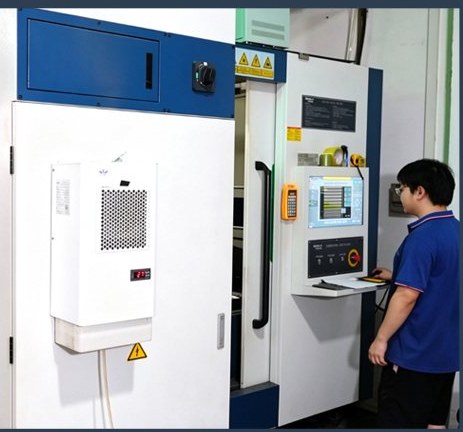
A review before you commit
- Drawing read against the equipment and the installation
- Findings returned with the quotation, at no charge
- Open questions listed in writing, never assumed
- Material and finish proposed against the real exposure
 Request a quote ↗
SERVICES
An enclosure project fails in the gaps: the drawing nobody questioned, the quantity nobody could commit to, the finish that was never specified. Most of what follows exists to close those gaps before they cost you money.
Free DFM review · MOQ from 1 piece · reply within 2 hours
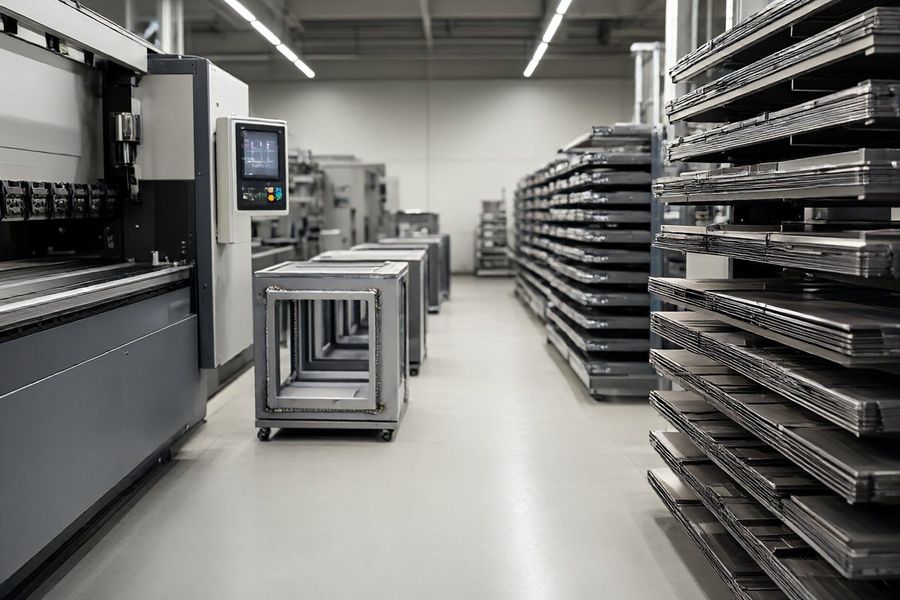
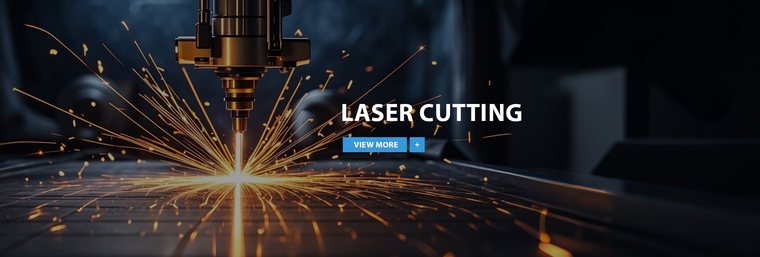 View capability ↗Laser cuttingTwo 6 kW sources position to ±0.01 mm, cutting profiles and openings from the approved file.
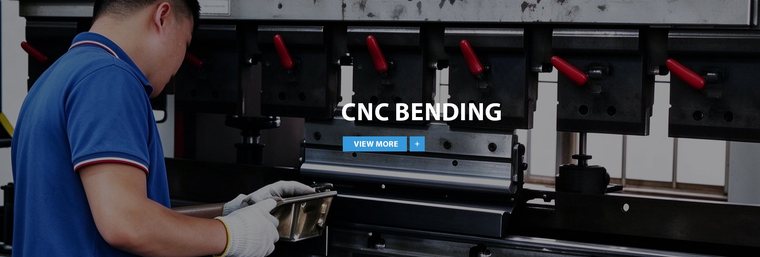 View capability ↗CNC bendingDoors, panels and frame parts formed to the approved geometry, with the allowance proven on the first-off.
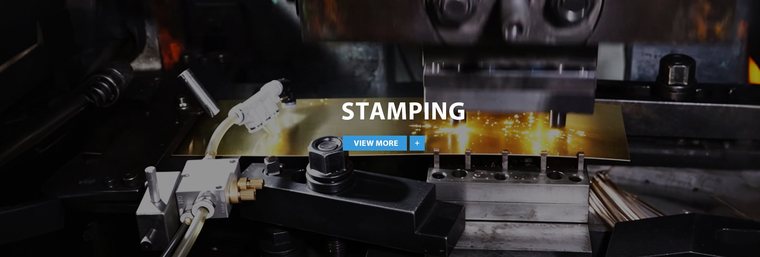 View capability ↗CNC stampingRepeat panels and hardware openings punched on a turret, holding the same pattern across batches.
 View capability ↗CNC machined partsMilled, drilled and tapped brackets and inserts, so a part leaves the shop ready to assemble.
What every project gets
Guangdong Xinghaoxin Technology Co., Ltd.
HOW A PROJECT RUNS
Each step has an owner and something you receive at the end of it, so you always know what is being decided and what is waiting on you.
01 / BRIEF
Send 2D or 3D files, or a sample to reverse-engineer, with material, finish, quantity and the installation conditions. A marked-up sketch is enough to start.
You send: files, quantity, application, target date
02 / REVIEW
Engineering reviews the build, returns the findings and prices the agreed scope. Open questions are listed rather than assumed.
You receive: DFM findings, open questions, price
03 / APPROVAL
A first-off sample confirms dimensions, fit, finish and assembly before volume production starts. It is held until you sign it off.
You receive: sample, dimensional report
04 / BUILD
Cutting, forming, welding, surface treatment and assembly, with in-process inspection as the batch progresses rather than only at the end.
You receive: batch status, in-process measurements
05 / CHECK
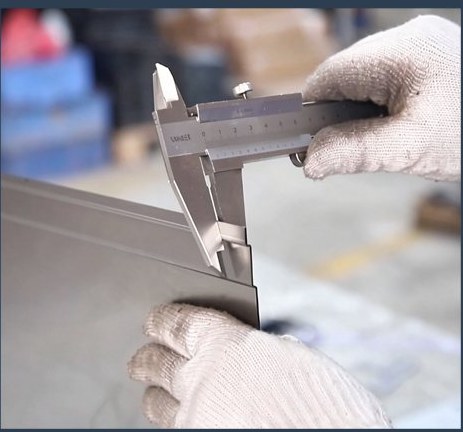
Key dimensions, surface finish and assembly inspected against the approved drawing. Reports are archived and the pack is issued before dispatch.
You receive: final report, certificates, origin
06 / SHIP
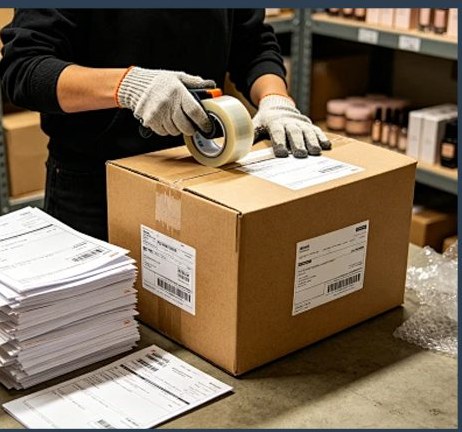
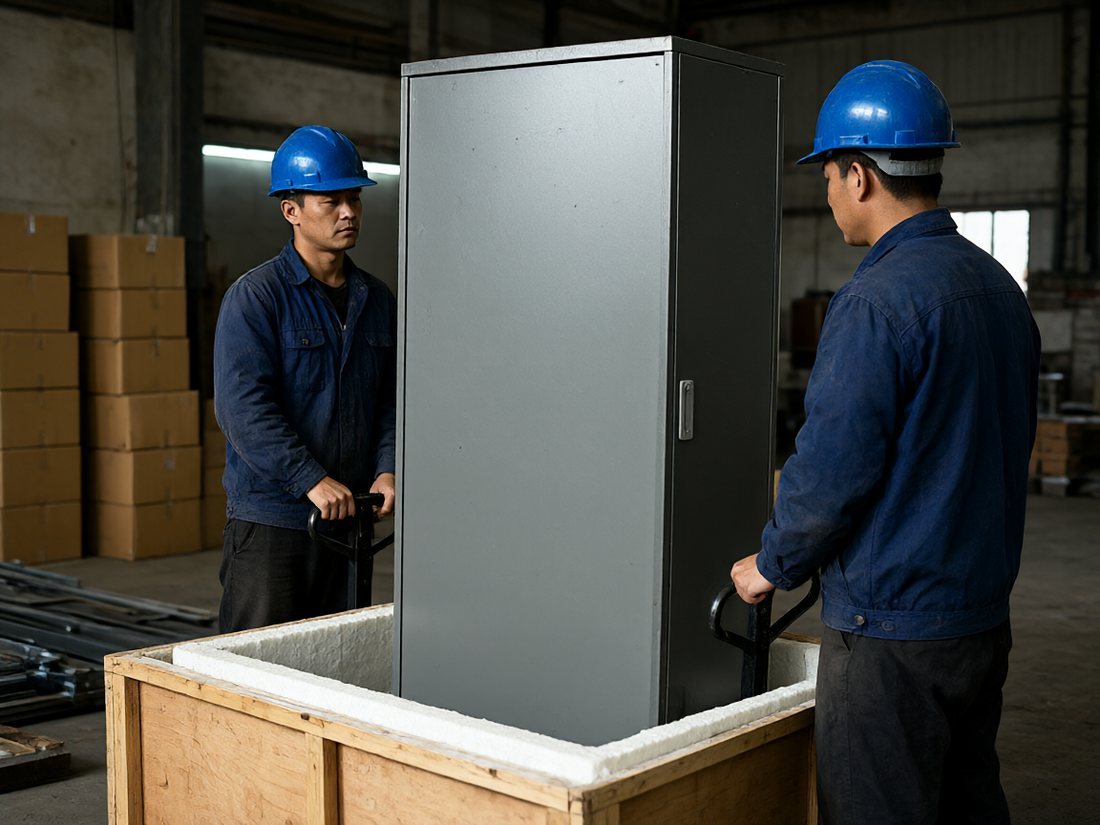
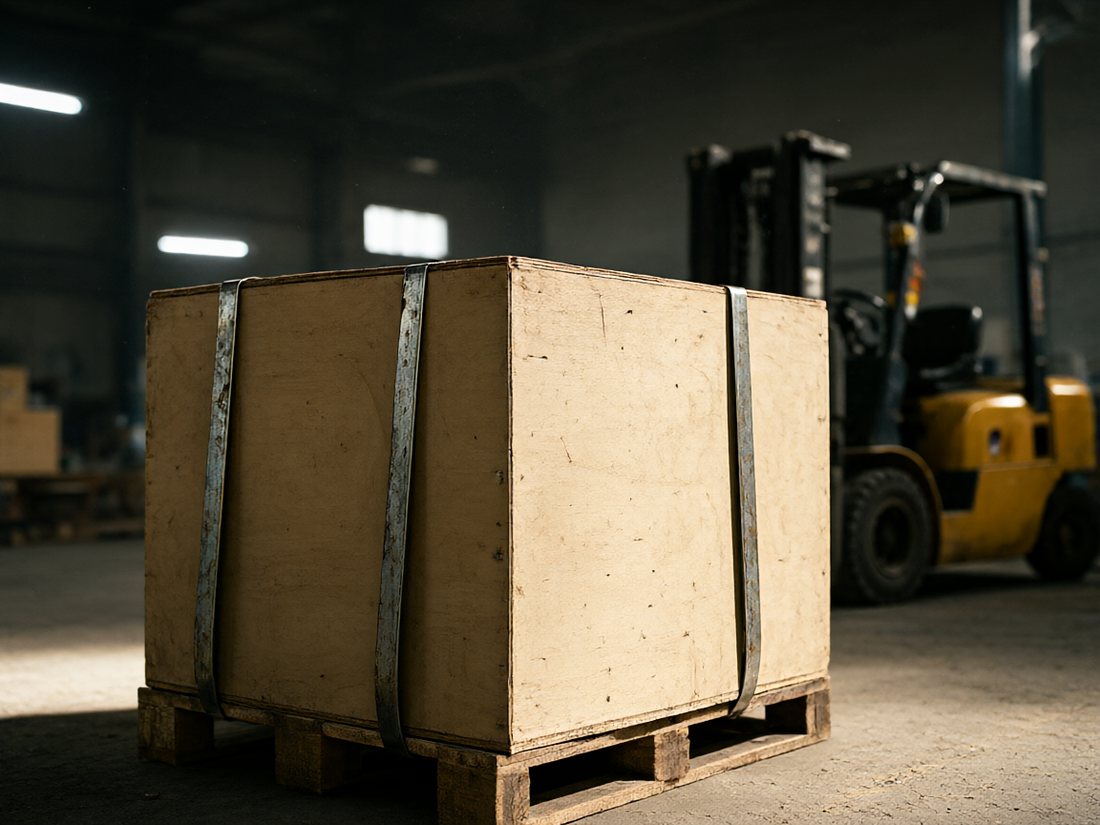
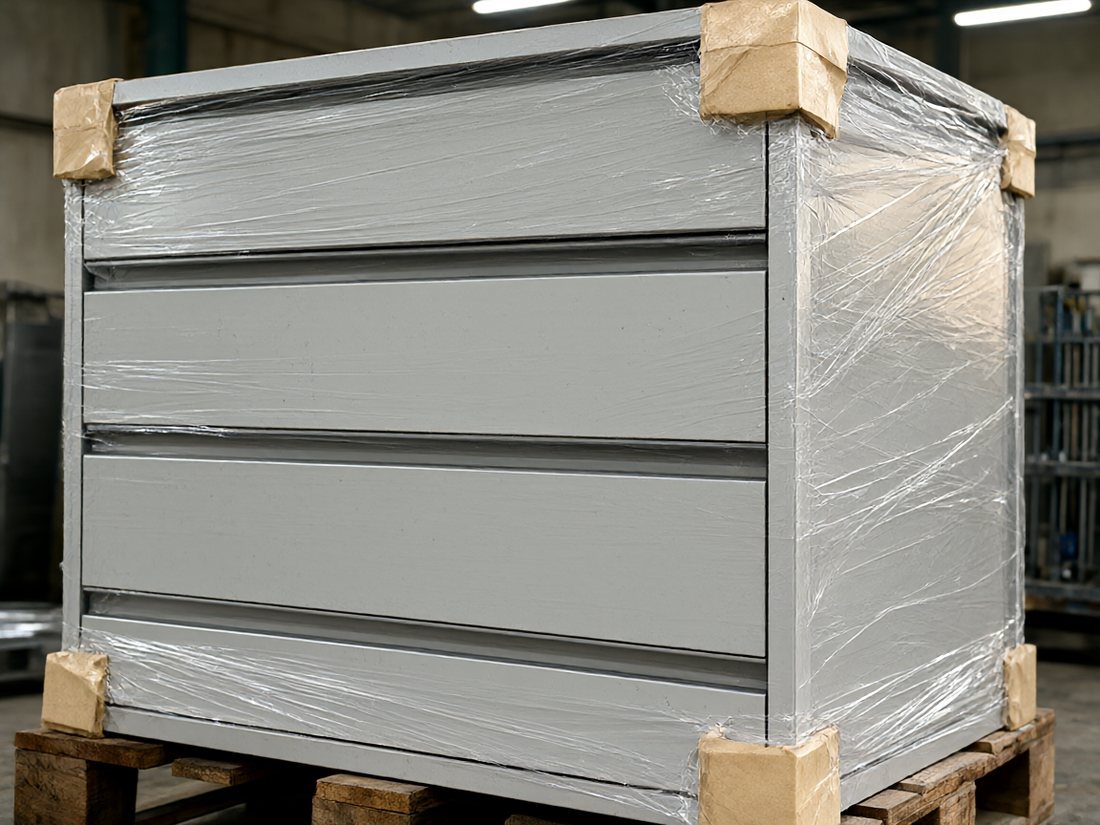
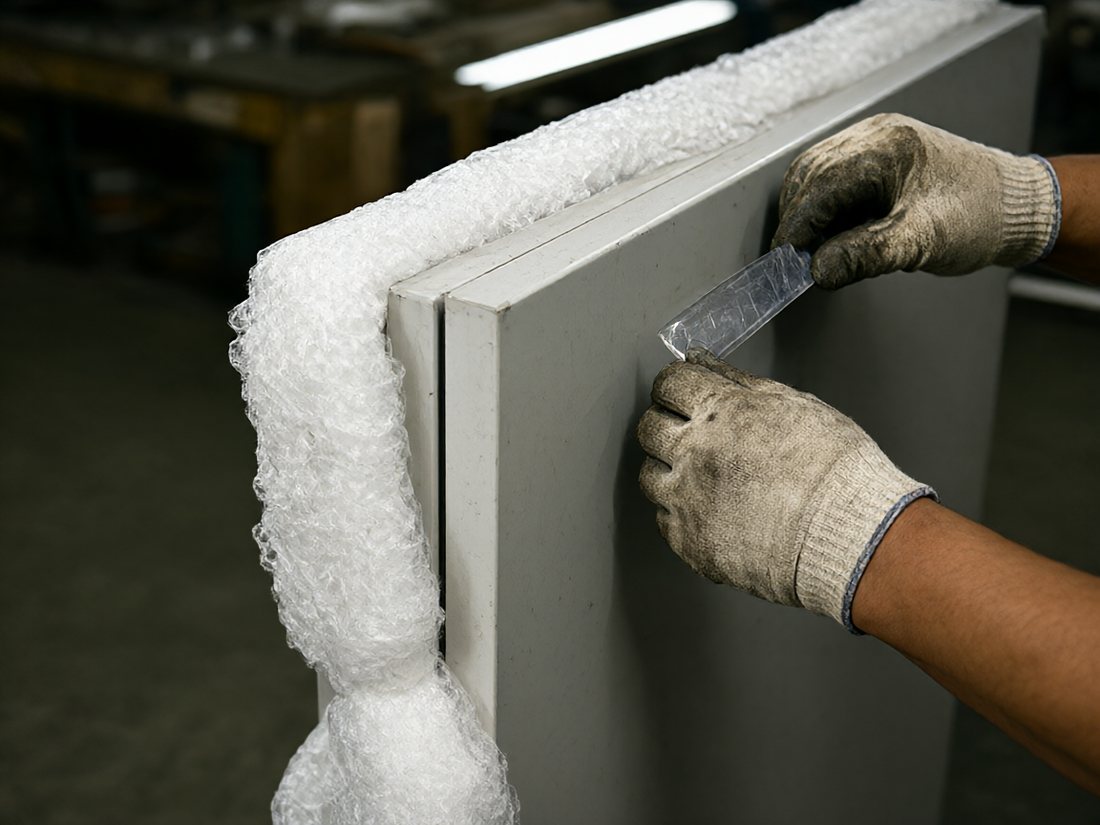
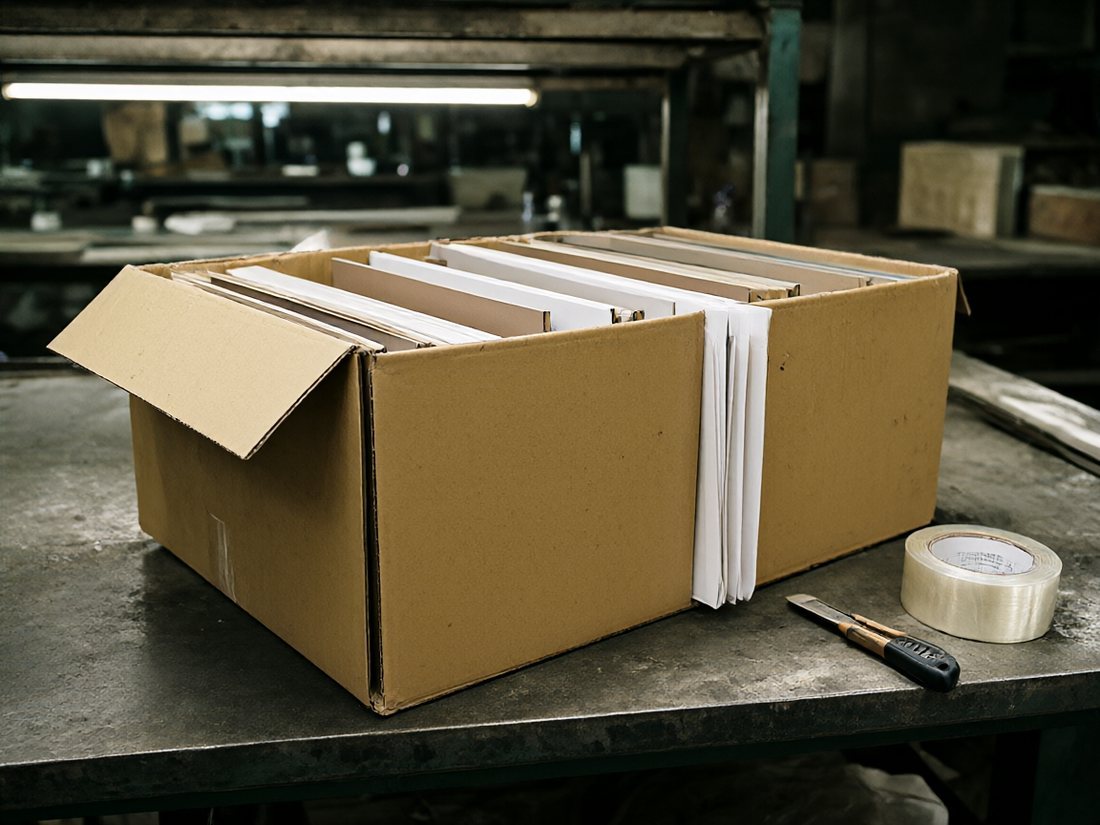
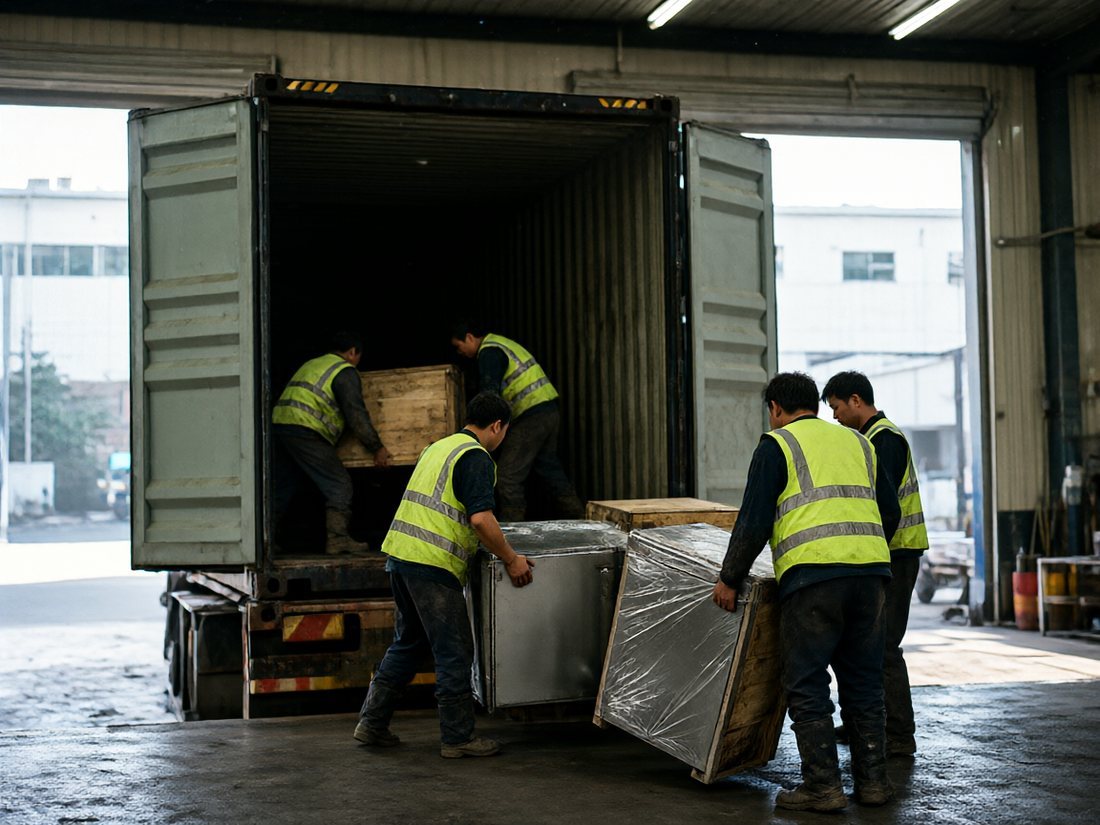
Protective packing for sea or air freight, export documentation and shipment coordination on the incoterm you specified.
You receive: shipping documents, tracking
Six ways a cabinet leaves the building, chosen by what it is, how far it travels and whether the face has to arrive unmarked.
WHAT WE NEED FROM YOU
The fastest projects are the ones where these arrive together. If some are still open, send what you have — engineering will tell you what is missing and what each gap changes.
There is no template to fill in and no portal to register on. A drawing and a paragraph of context is a workable start.
Drawings or dimensions, material and thickness, finish and colour, quantity, and the incoterm you buy on. A marked-up sketch or a sample works if there is no drawing yet.
The installation conditions — indoor or outdoor, dust and moisture, temperature, chloride or chemical exposure, and any NEMA or IP target. This decides the material and the sealing detail.
The dimensions you will actually measure on receipt, and which surfaces are judged cosmetically. Inspection criteria are agreed against those, not against every dimension on the drawing.
An NDA, if your policy needs one. Send yours and we return a countersigned copy. Drawings are used only to build your parts.
COMMERCIAL TERMS
These are the terms quotations are written against. Anything outside them is stated on the quotation rather than discovered later.
USD
EXW, FOB, CIF, DDP
Discussed per project and confirmed on the order
1 piece, no tooling charge
10–15 days from approved drawings
20–40 days after first-off approval
ISO 9001
Within 2 hours on average, working days in China
AFTER THE FIRST ORDER
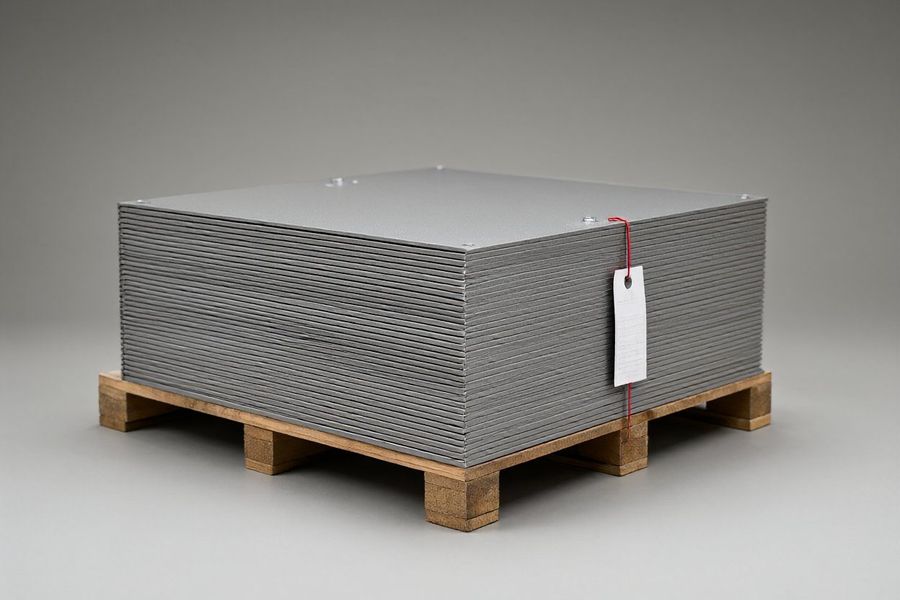
Anyone can get a prototype right. What matters is whether the tenth batch is identical to the approved sample, and whether a design change is handled cleanly when your product evolves.
The approved drawing and the first-off inspection report stay with the project. Every subsequent batch is measured against that reference rather than against the previous batch, which is how drift creeps in elsewhere.
When the design changes, the drawing is revised and a new first-off sample is produced against it. We do not run a batch against a drawing that has moved without confirming the change first.
Spare parts, replacement doors and additional panels ordered later are built to the same reference, so a unit delivered two years apart still fits.
READY WHEN YOU ARE
Send your drawings, a reference photo or a few project notes. Engineering returns a manufacturability review with the quotation — before you commit to production.
SEND DRAWINGS
Share the drawings or the dimensions you have. Engineering reviews them and returns the findings with the quotation — usually within one working day.