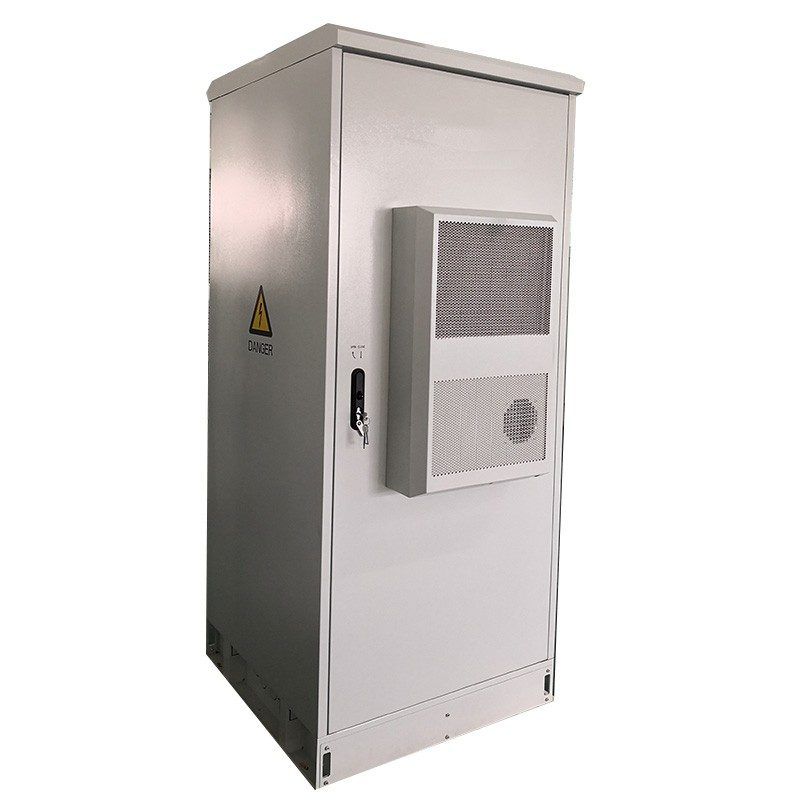
Cold-rolled steel (SPCC)
Indoor equipment, control panels, chassis. Rigid, dimensionally stable and the cheapest option to form accurately. Powder coated.
 Request a quote ↗
SYSTEMS FOR EVERY APPLICATION
An enclosure is only correct in context. The equipment inside sets the size, the installation environment sets the material and the protection, and the installation decides the door swing, the cable entry and how a technician reaches it. We work from those constraints rather than from a catalogue.
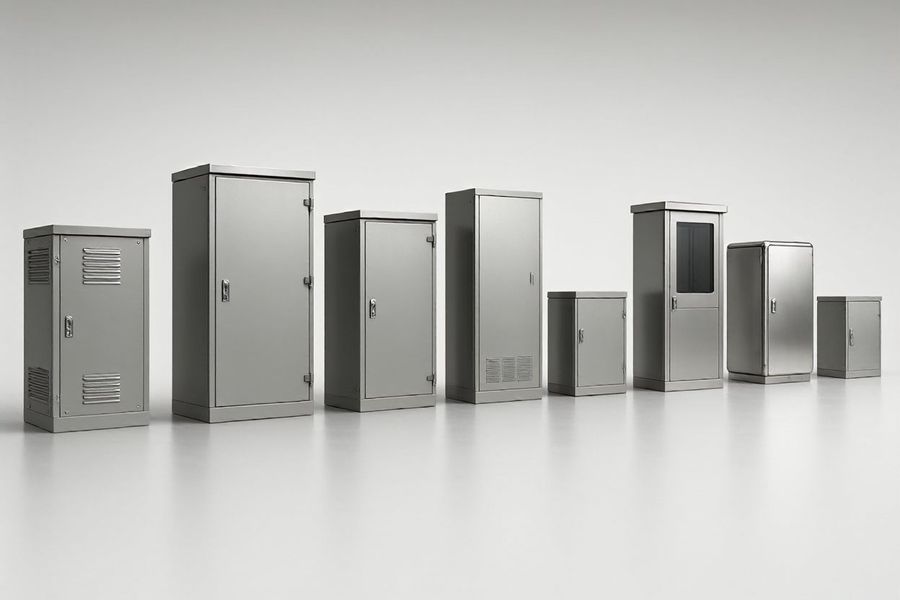
Custom enclosure solutions
The equipment inside sets the size, the installation sets the material, and the environment decides the protection. Six steps take a project from those constraints to a packed cabinet.
Send your drawings now24H feedback
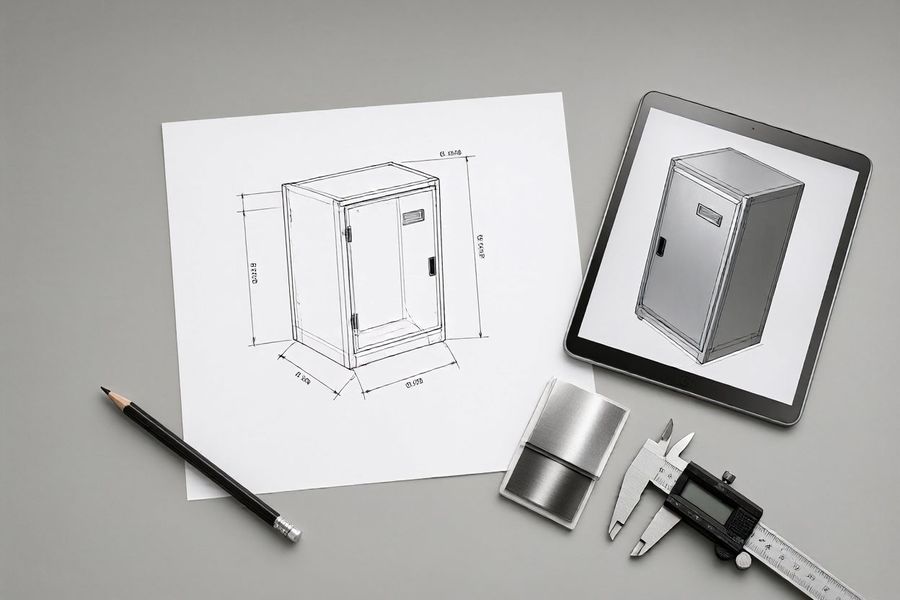
HOW WE SCOPE A PROJECT
A manufacturability review is not a formality before pricing. It is the step where an ambiguous drawing becomes a buildable specification — and where the questions that would otherwise surface during installation get asked while changing them is still free.
Engineering reads the drawing against the equipment, the environment and the installation, then returns the findings with the quotation. If a flat top will pool water, a single-point latch cannot hold a 1.6 m door, or a bend radius cannot be formed in one hit, that comes back to you before production rather than after.
Dimensional and tolerance review against the equipment drawing
Material and finish proposed against the actual exposure
Bend, weld and assembly sequence checked for feasibility
Open questions returned in writing with the quotation
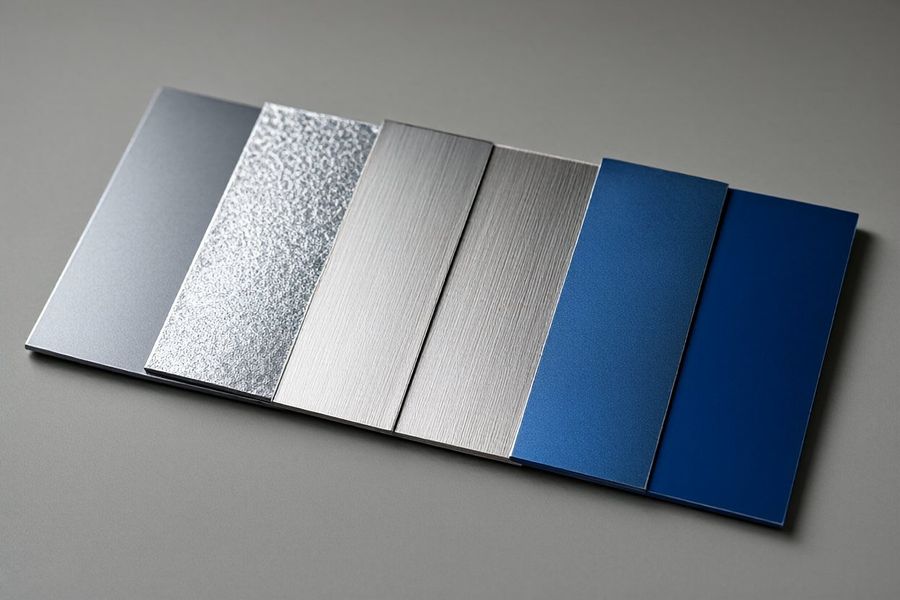
MATERIAL & FINISH
Five materials cover nearly every project we run. Choosing between them is a question of what the enclosure will be exposed to and how it will be cleaned — not of what is cheapest on the day.
Indoor equipment, control panels, chassis. Rigid, dimensionally stable and the cheapest option to form accurately. Powder coated.
Where the part will be cut or drilled during installation and cut edges need protection without a second coating step. Junction boxes, marshalling panels, outdoor brackets.
Wash-down, food-adjacent and clinical environments. Coastal locations set back from the shoreline. Supplied brushed or abrasive-blasted.
Salt spray, de-icing salt and chloride-bearing atmospheres. Specified against a real exposure rather than added as margin.
Weight-restricted mounting, pole-top and rooftop installations, or where the part has to conduct heat. Anodized or powder coated.
WHAT THE PROCESS DELIVERS
These are the limits the process actually runs to, so a project can be scoped against them before anything is quoted.
Maximum single-piece size on the longest dimension. Larger assemblies ship as bolt-together sections.
Fibre laser positioning accuracy on cut openings and patterns.
Minimum order, with no tooling charge. Prototype and volume run on the same process.
Typical prototype lead time from approved drawing. Production runs 20–40 days depending on scope.
READY WHEN YOU ARE
Send your drawings, a reference photo or a few project notes. Engineering returns a manufacturability review with the quotation — before you commit to production.
Or write to sales01@xinghaoxin.com
SEND DRAWINGS
Share the drawings or the dimensions you have. Engineering reviews them and returns the findings with the quotation — usually within one working day.